
Moving an asphalt plant from one site to another means dismantling and loading dozens of heavy, bulky parts in the right order, transporting them without damage and unloading them in the right order at the new site. If the move is well planned, installation goes quickly; an unplanned move turns into days of searching for parts and dealing with damaged equipment on site. Setrafalt relocates asphalt plants of every make within Türkiye and abroad, with one team running the process from dismantling to commissioning.
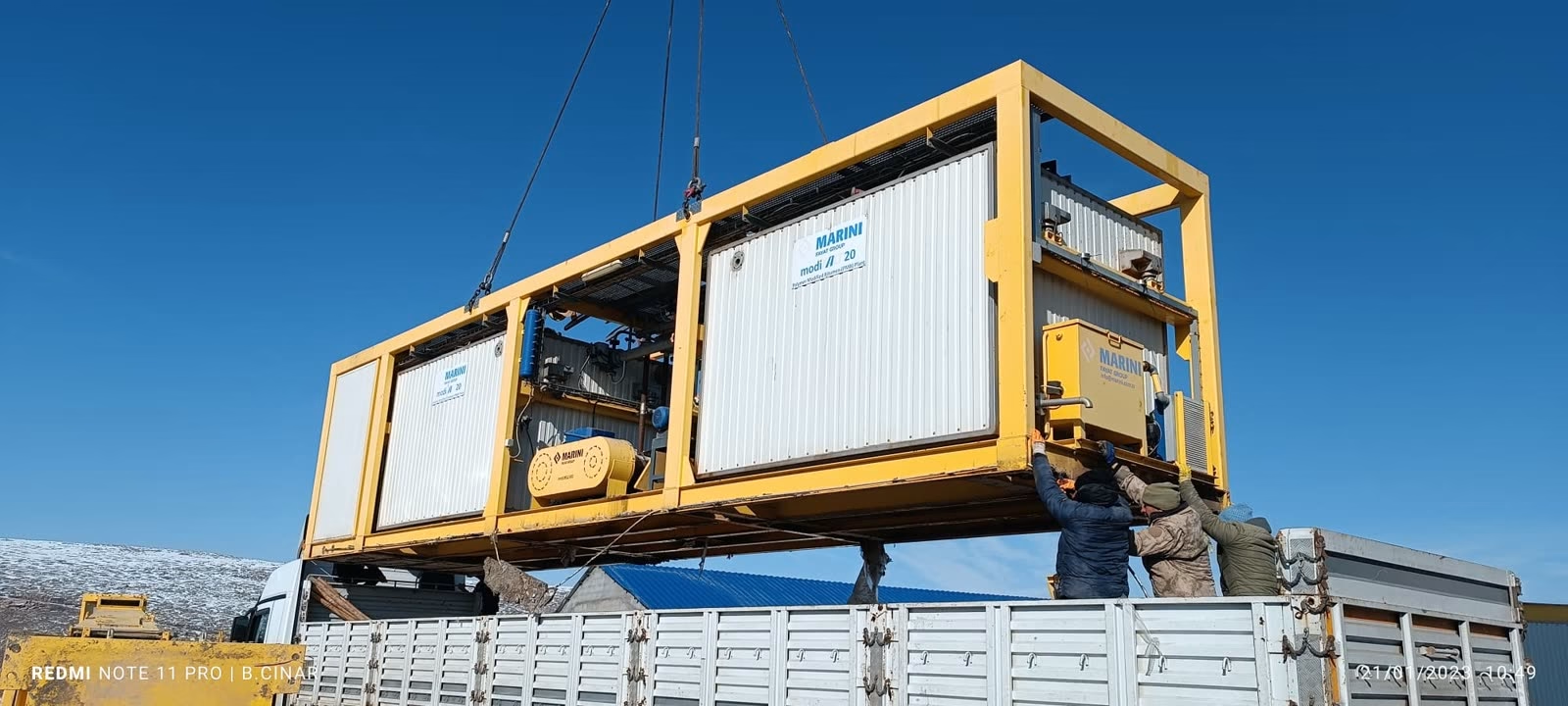
Why is the transport plan made before dismantling?
The transport plan determines how dismantling is done. If you know in advance which part goes on which vehicle and in what order, dismantling follows that sequence. The parts installed first at the new site (for example the chassis and tower sections that sit on the foundations) must arrive first, and the parts needed last must arrive last. That way material is not stacked up waiting on site and cranes are not left idle.
Heavy parts and crane requirements
In an asphalt plant the drying drum, mixing tower modules, silos, filter housing and bitumen tanks are heavy, bulky parts. For each one the weight, lifting points and a suitable crane capacity must be determined in advance. A part lifted from the wrong points can bend and is a safety hazard. For both dismantling and installation, the number and capacity of cranes are planned taking the ground conditions on site into account.
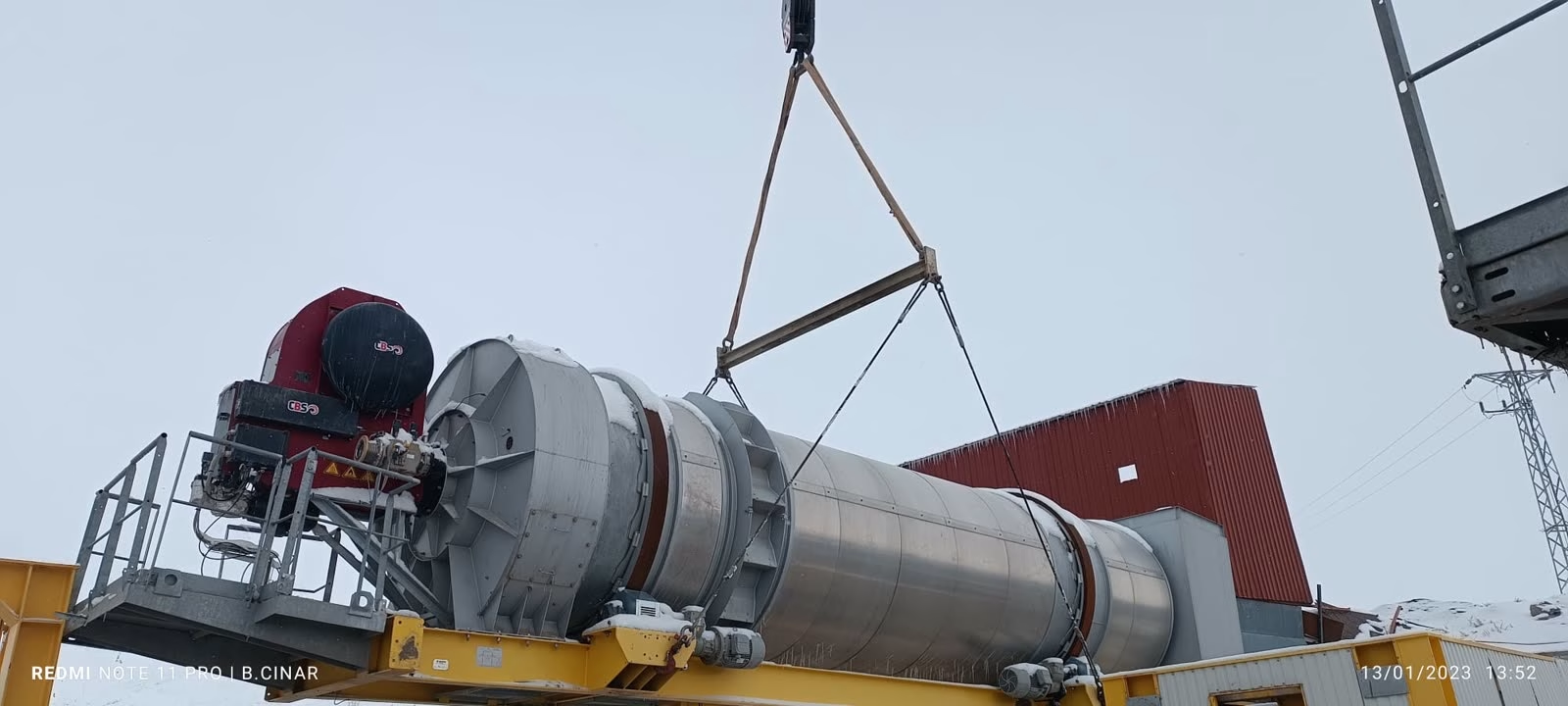
Marking and packing
- Labelling: Every dismantled part, cable and pipe is marked to show where it goes at the new site.
- Small parts: Bolts, fasteners and sensors are packed and labelled with the equipment they belong to.
- Electrical: Panels and cables are labelled and disconnected; cable ends are protected.
- Securing: Parts are fastened to the vehicle so they cannot shift on the road and their paint is not damaged.
Transport and permits
Some plant parts do not fit on standard trailers; oversized loads may need special vehicles and permits. The route, bridge and tunnel clearances and the condition of the loading and unloading areas are checked before transport. International moves add customs and documentation; for details, see our international asphalt plant installation page.
Unloading and installation at the new site
Parts are unloaded on site in installation order. If the foundations and infrastructure are ready, work starts with the chassis and tower; the drum, silos, filter and tanks are set in place and the mechanical and electrical connections are made. For installation details, see our asphalt plant dismantling, relocation and installation page.
Frequently asked questions
What determines the cost of moving an asphalt plant?
It depends on the size of the plant, the number and weight of heavy parts, the crane capacity needed, the transport distance, whether there are oversized loads and whether the move is domestic or international. Send us the plant details and the locations of both sites and we will prepare a quote.
How many trucks does it take to move an asphalt plant?
It depends on the plant’s capacity, type and the size of its parts. After the site survey a loading list is drawn up and the number of vehicles is based on that list.
Can plant parts be damaged during transport?
Correct lifting points, proper securing and protection keep the risk of damage to a minimum. Every part is inspected before dismantling and any existing damage is recorded.
Can I book transport only?
Yes, but having the same team dismantle and install the plant makes it much easier to take the parts down in the right order and install them completely at the new site.
Related pages
- Asphalt plant dismantling, relocation and installation
- How to dismantle an asphalt plant
- International asphalt plant installation
- Our projects
Get a quote
Send us your plant’s make, capacity and the locations of both sites, and we will get back to you.
WhatsApp: +90 552 854 72 55 · +90 545 358 06 48 · info@setrafalt.com.tr