
Dismantling is the first step that decides whether an asphalt plant will run smoothly at its new site. A rushed, unmarked and unplanned dismantling turns into missing parts at installation, wrongly connected cables and weeks lost at commissioning. On this page we explain step by step how an asphalt plant is dismantled.
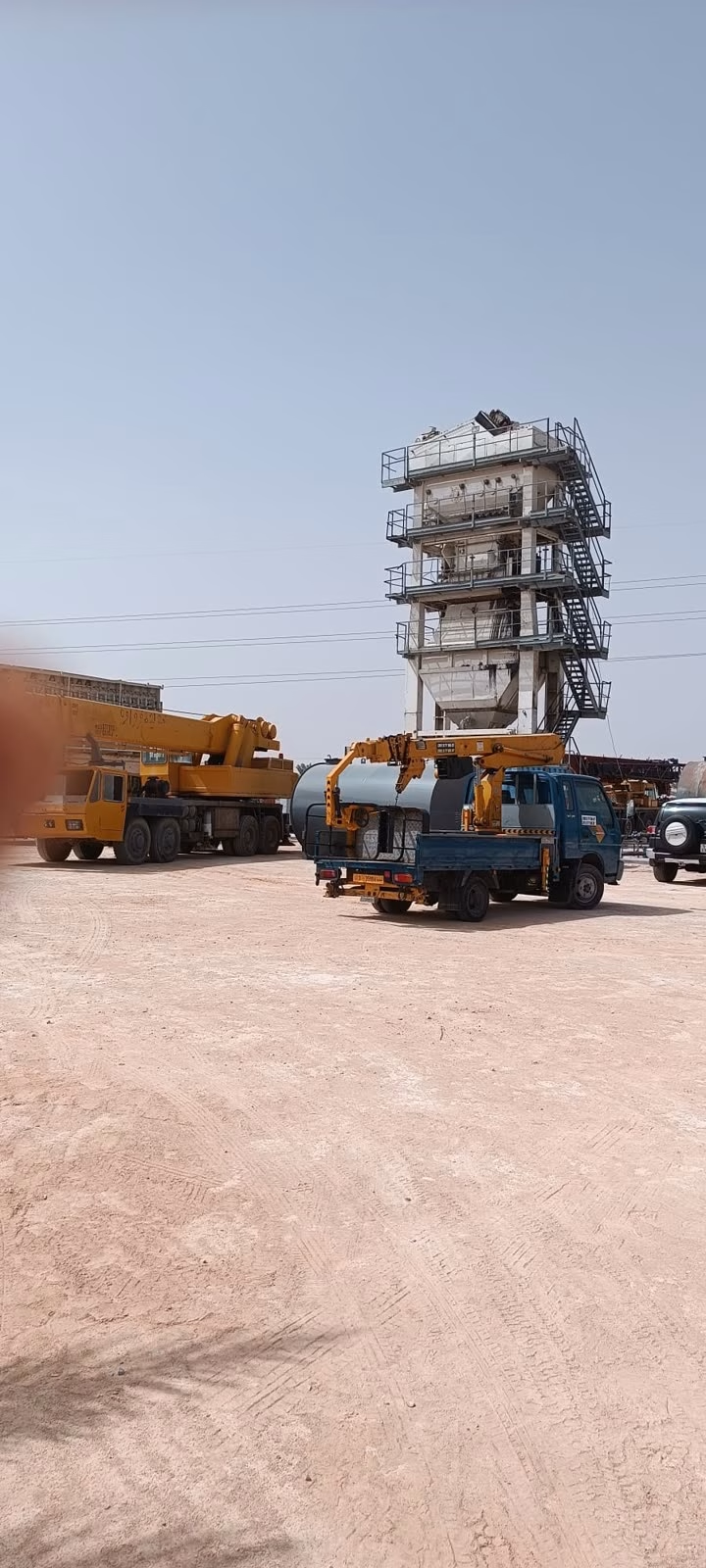
1. Site survey and dismantling plan
Before dismantling starts, the plant is inspected on site: an equipment list is drawn up, heavy parts and lifting points are identified, and crane and transport needs are calculated. The current condition of the plant is photographed and damaged or worn parts are recorded. This record also shows what needs replacing at the new site.
2. Isolation and safety
The plant’s power is disconnected and locked out, fuel and bitumen lines are drained and compressed air lines are depressurised. Bitumen tanks and pipes are brought to a suitable temperature and condition for dismantling. The work area is taped off and crane working zones are marked out.
3. Electrical disconnection
Panels, cables, sensors and field junction boxes are labelled and disconnected. Both ends of every cable are marked with the same number, so nobody has to trace cables one by one during installation. Sensitive devices (load cells, temperature sensors, flame sensors) are packed separately.
4. Mechanical dismantling
Mechanical dismantling is usually done in the reverse order of installation: first conveyors, elevators, pipes and ducts, then the filter, silos, tower modules and drying drum. As each part comes off, its fasteners are packed and its position at the new site is marked on it.
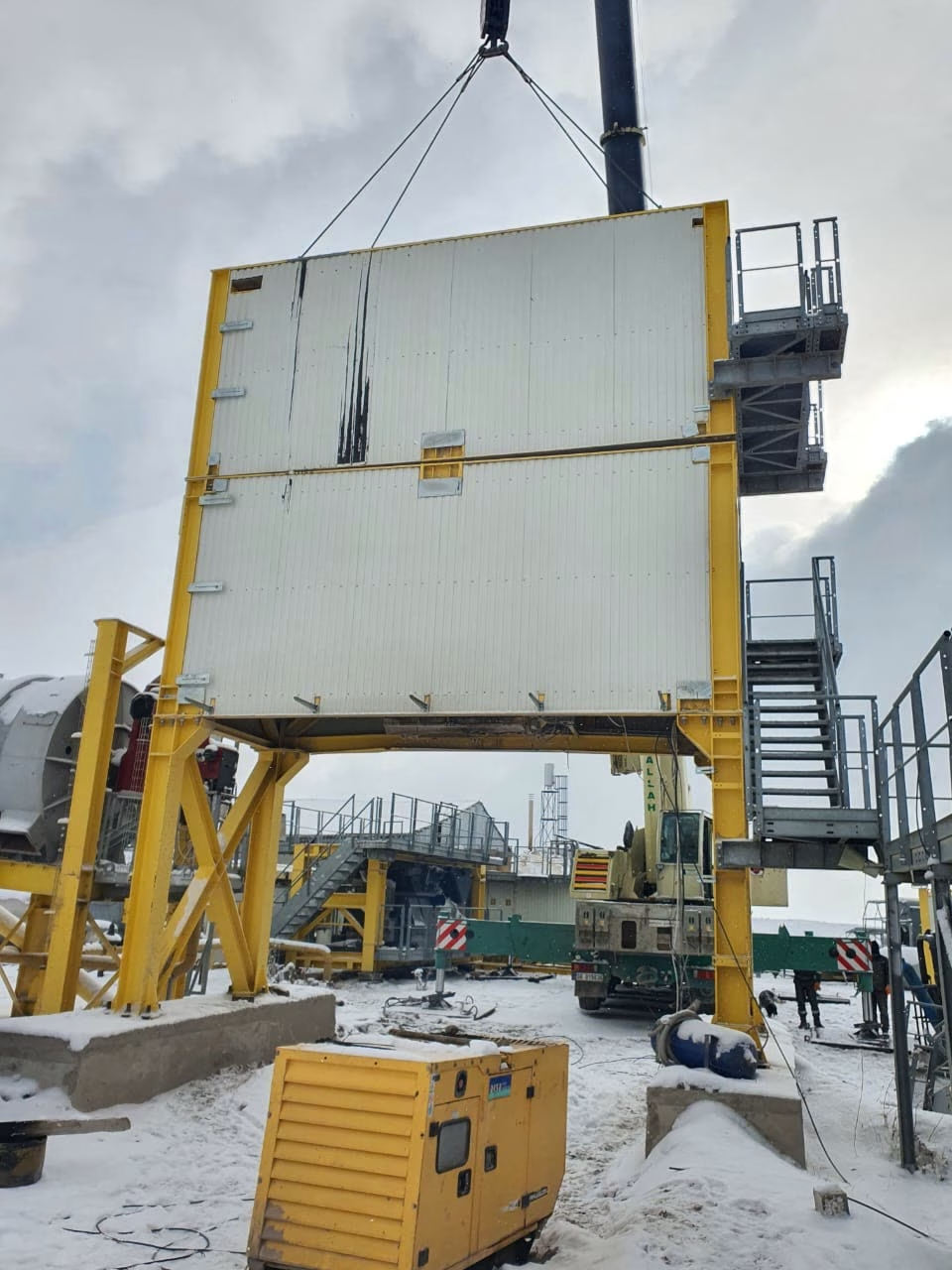
5. Loading and transport
Parts are loaded in the order they will be installed at the new site. Heavy parts are lifted with suitable cranes from the correct lifting points and secured to the vehicle. For transport planning, see our asphalt plant transport page.
The most common dismantling mistakes
- Cutting cables without labelling them
- Leaving small fasteners unpacked
- Lifting heavy parts from the wrong points
- Starting dismantling before the bitumen line is drained
- Not planning the loading sequence around the installation sequence
Dismantling with Setrafalt
Setrafalt dismantles asphalt plants of every make; for example, our team completed the dismantling of an Ammann CB350 asphalt plant. Because the same team handles dismantling, transport and installation, every part picks up where it left off at the new site. For details, see our dismantling, relocation and installation and projects pages.
Frequently asked questions
How long does it take to dismantle an asphalt plant?
It depends on the plant’s capacity and type, the site conditions and the cranes available. After the site survey, the dismantling and transport schedule is given in writing.
What happens to the plant’s electrical system during dismantling?
Panels and cables are labelled and disconnected, and sensitive devices are packed separately. At installation they are reconnected using the same labels.
Can you dismantle any make of plant?
Yes. We dismantle batch and continuous, stationary and mobile asphalt plants regardless of make and model.
What if missing or damaged parts are found during dismantling?
They are recorded and reported to you. On request we can also supply the spare parts.
Related pages
- Asphalt plant dismantling, relocation and installation
- Asphalt plant transport
- Asphalt plant spare parts
- Buying a used asphalt plant: what to check
Get a quote
Send us your plant’s make, capacity and the locations of both sites, and we will get back to you.
WhatsApp: +90 552 854 72 55 · +90 545 358 06 48 · info@setrafalt.com.tr